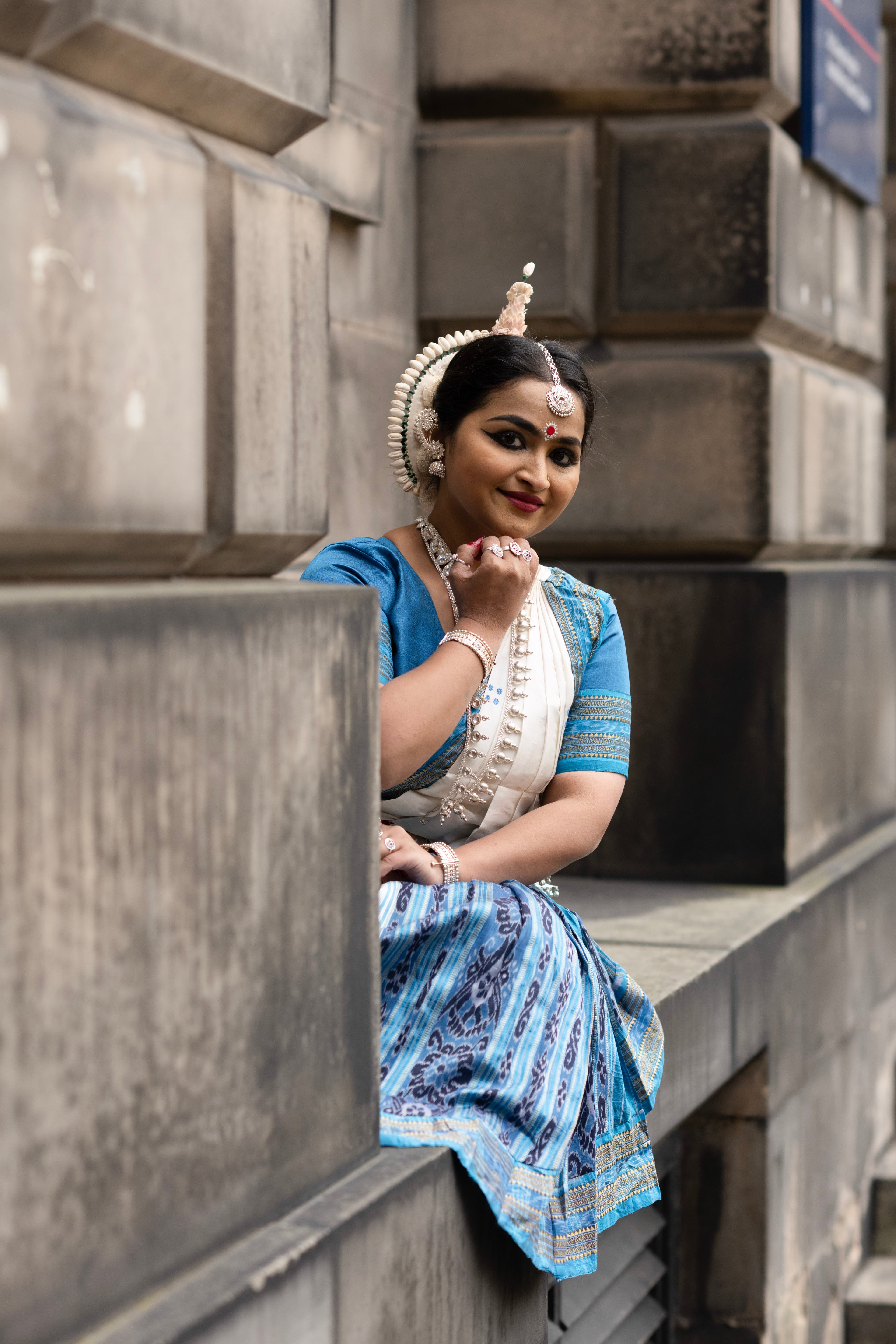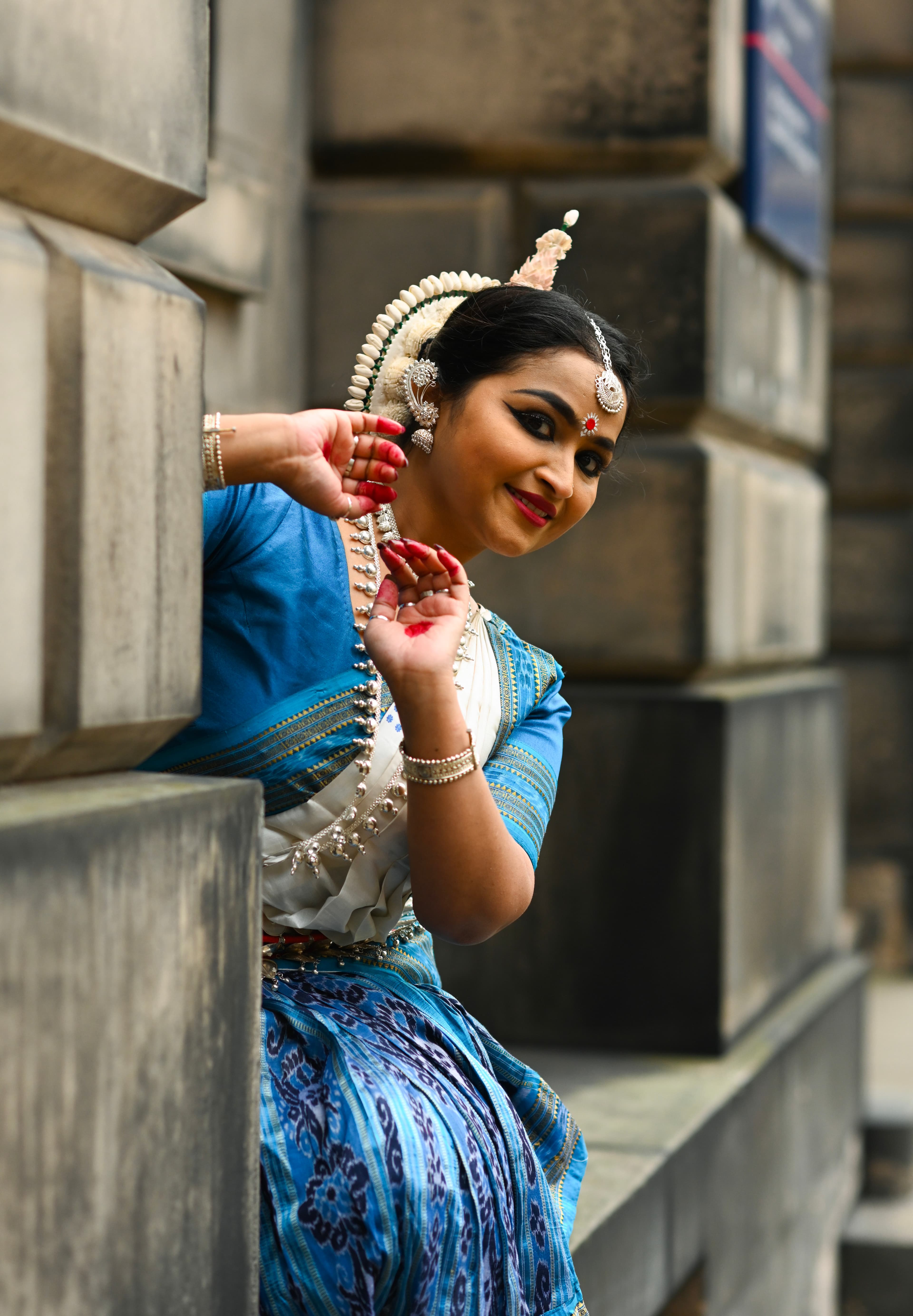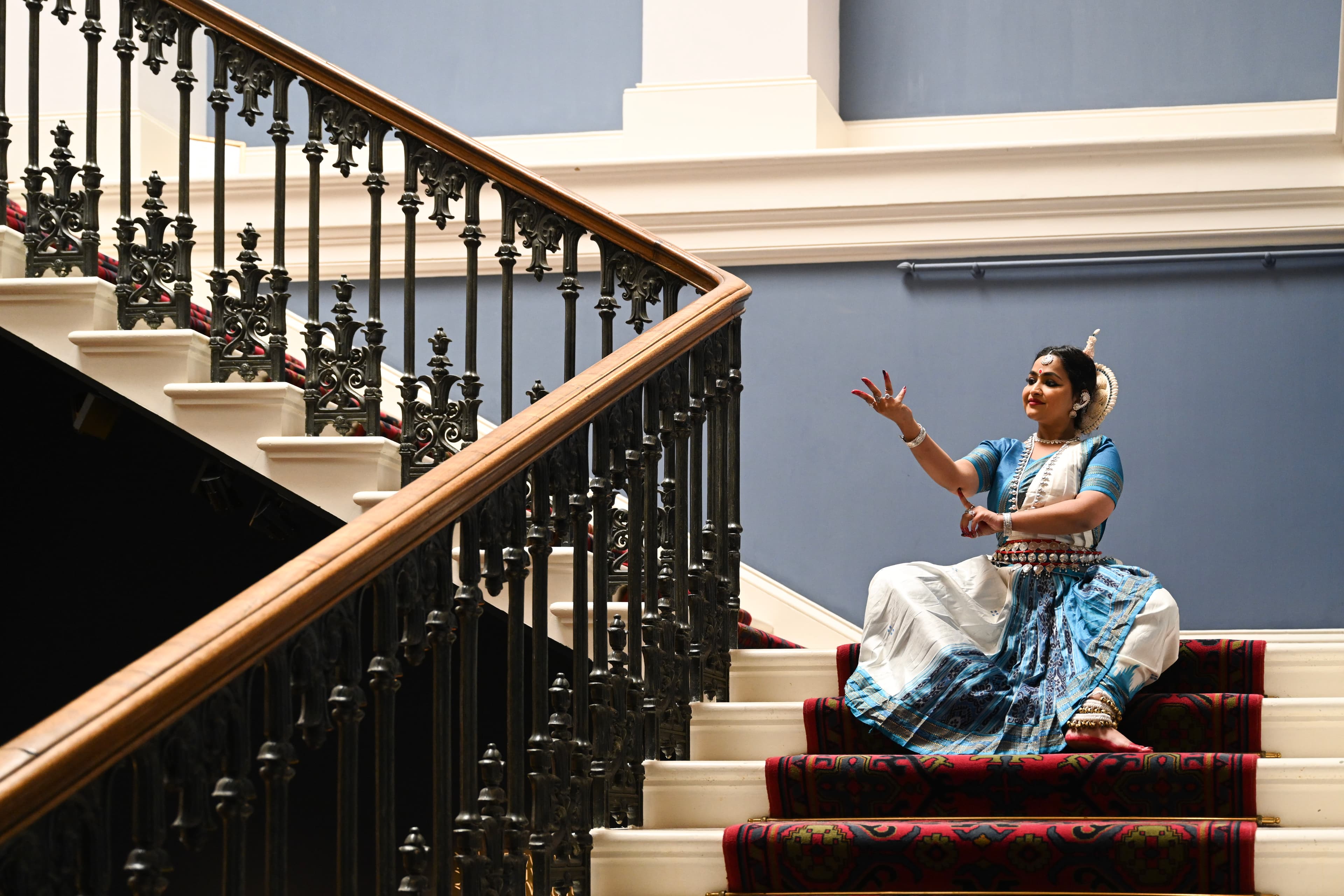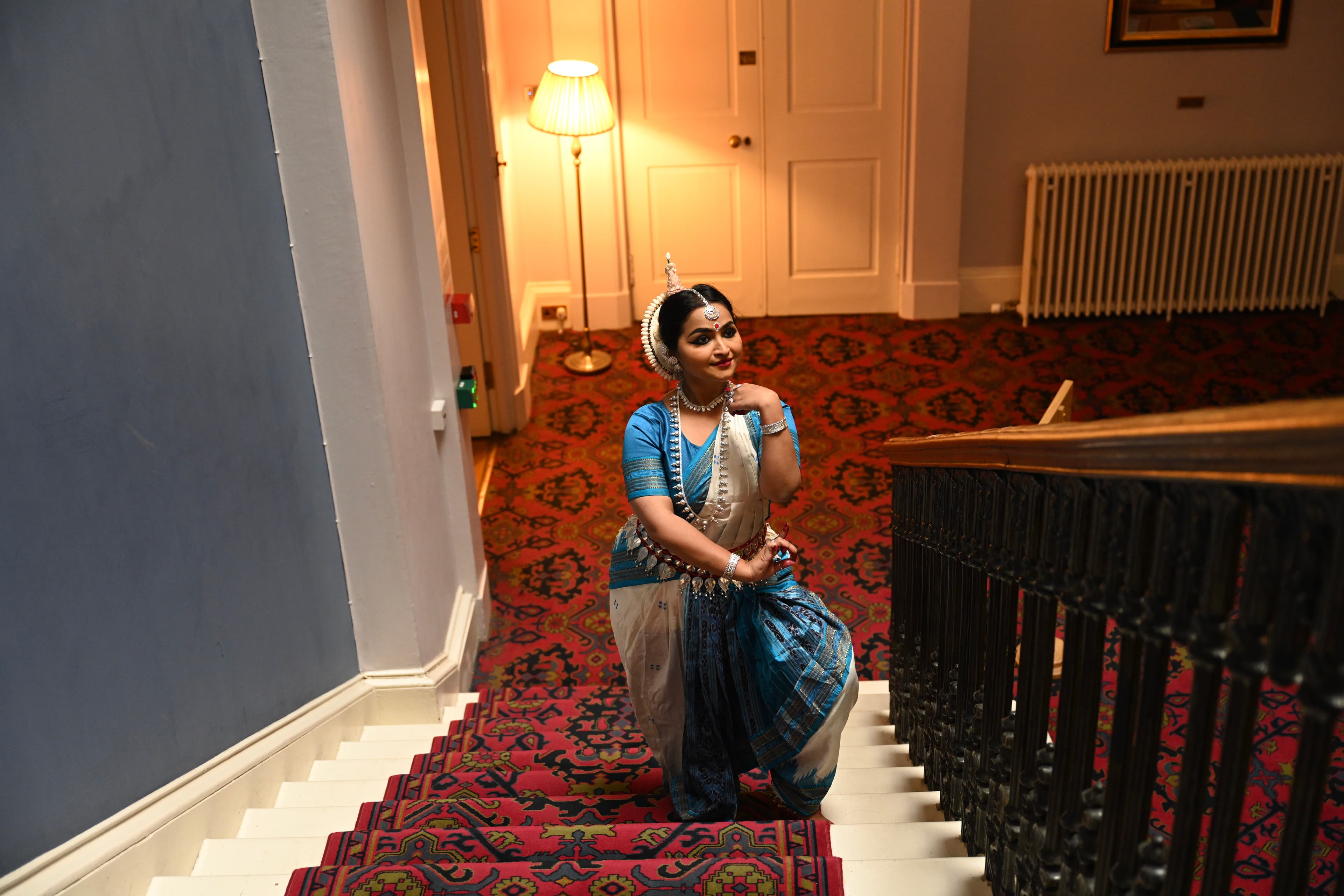
“Learning Odissi here feels unhurried and deep. Every correction is careful, and the foundations finally make sense in my body.”
A
Anchal Panda
Student
Malhar Dance Foundation
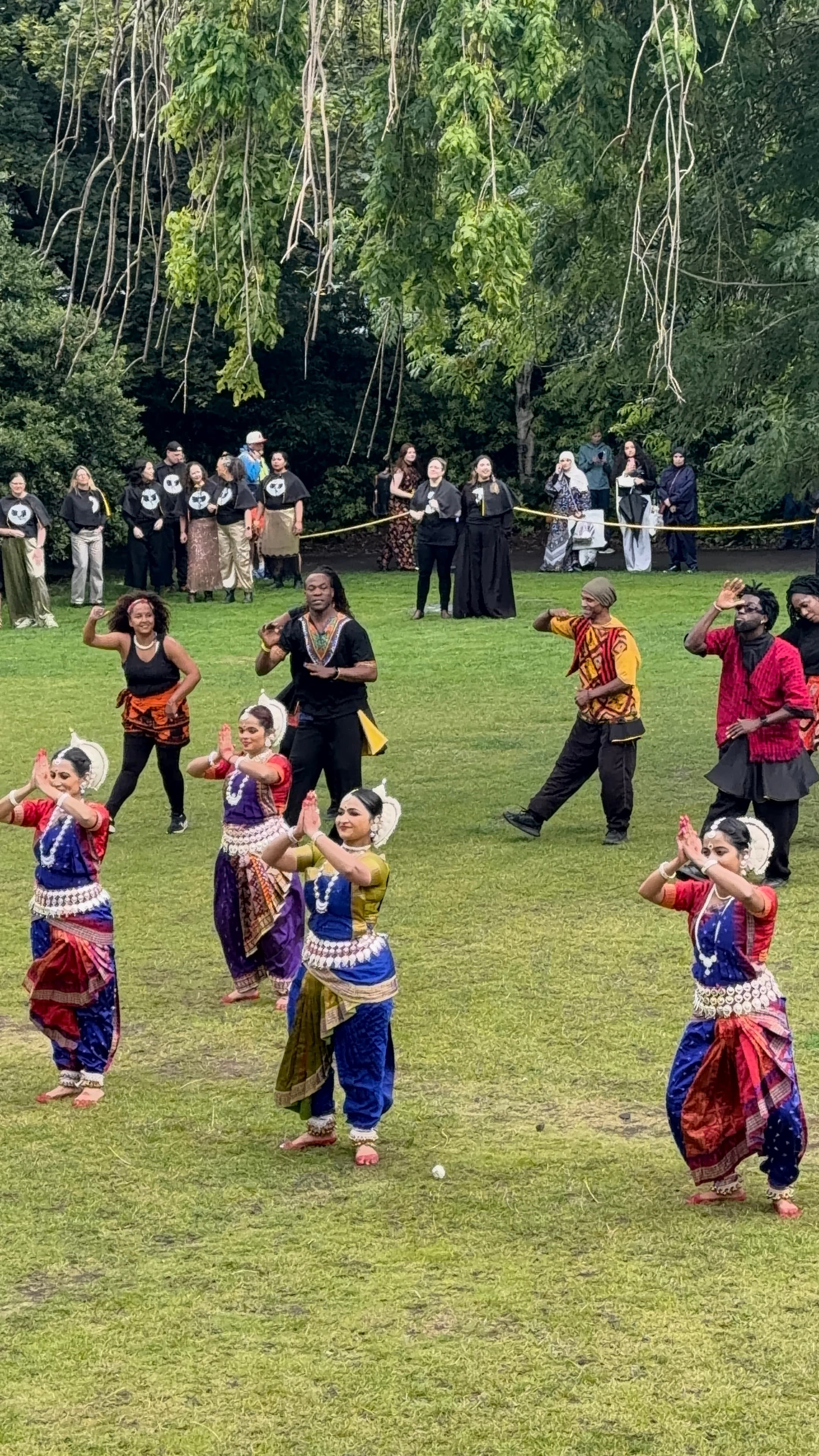
Classical Odissi in the Guru–Shishya tradition. Guided by Shilpa Dhara. Training students across Edinburgh, Scotland and the world.
.jpg&w=3840&q=75)
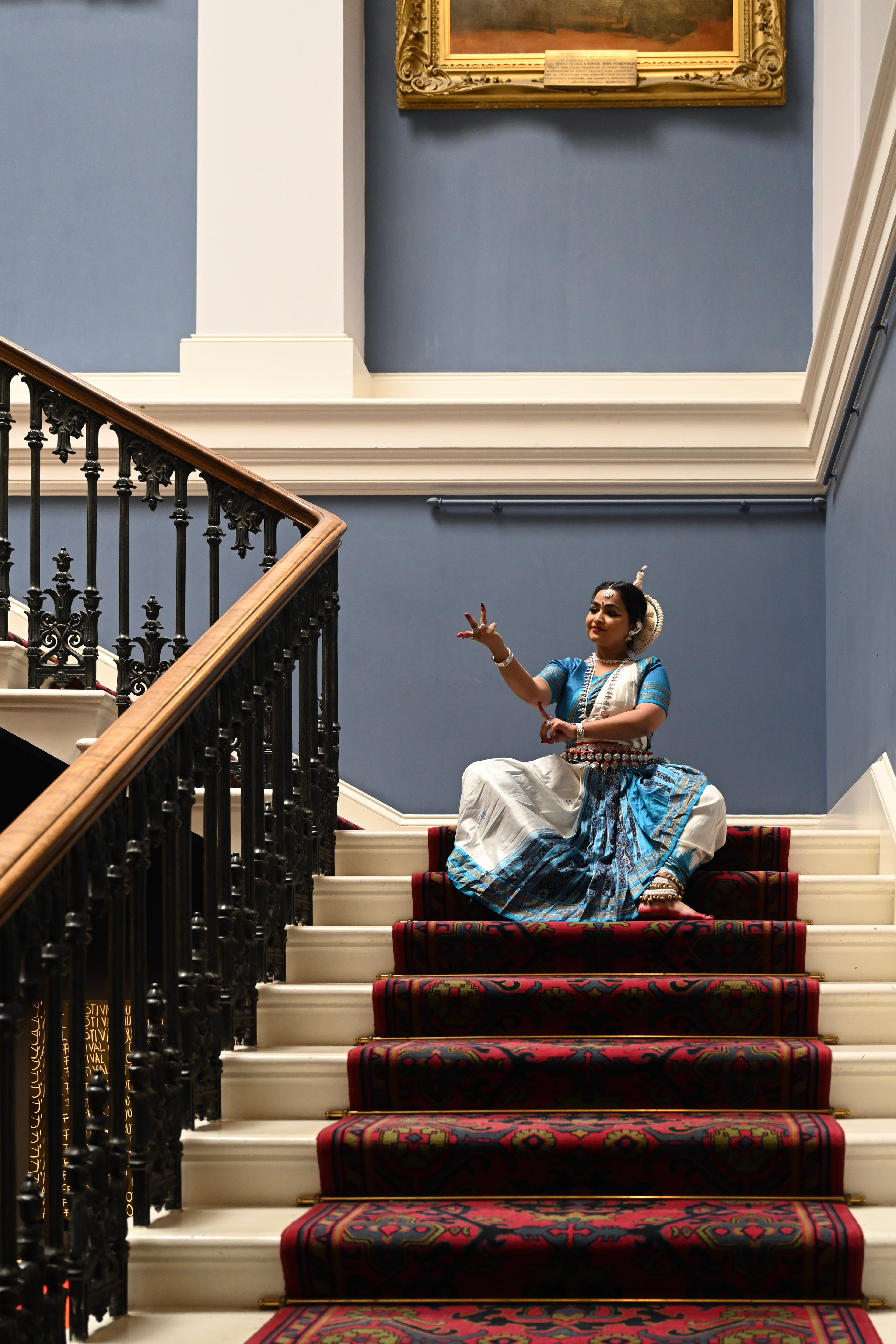
The Teacher
Founder & Teacher · Practitioner · Choreographer
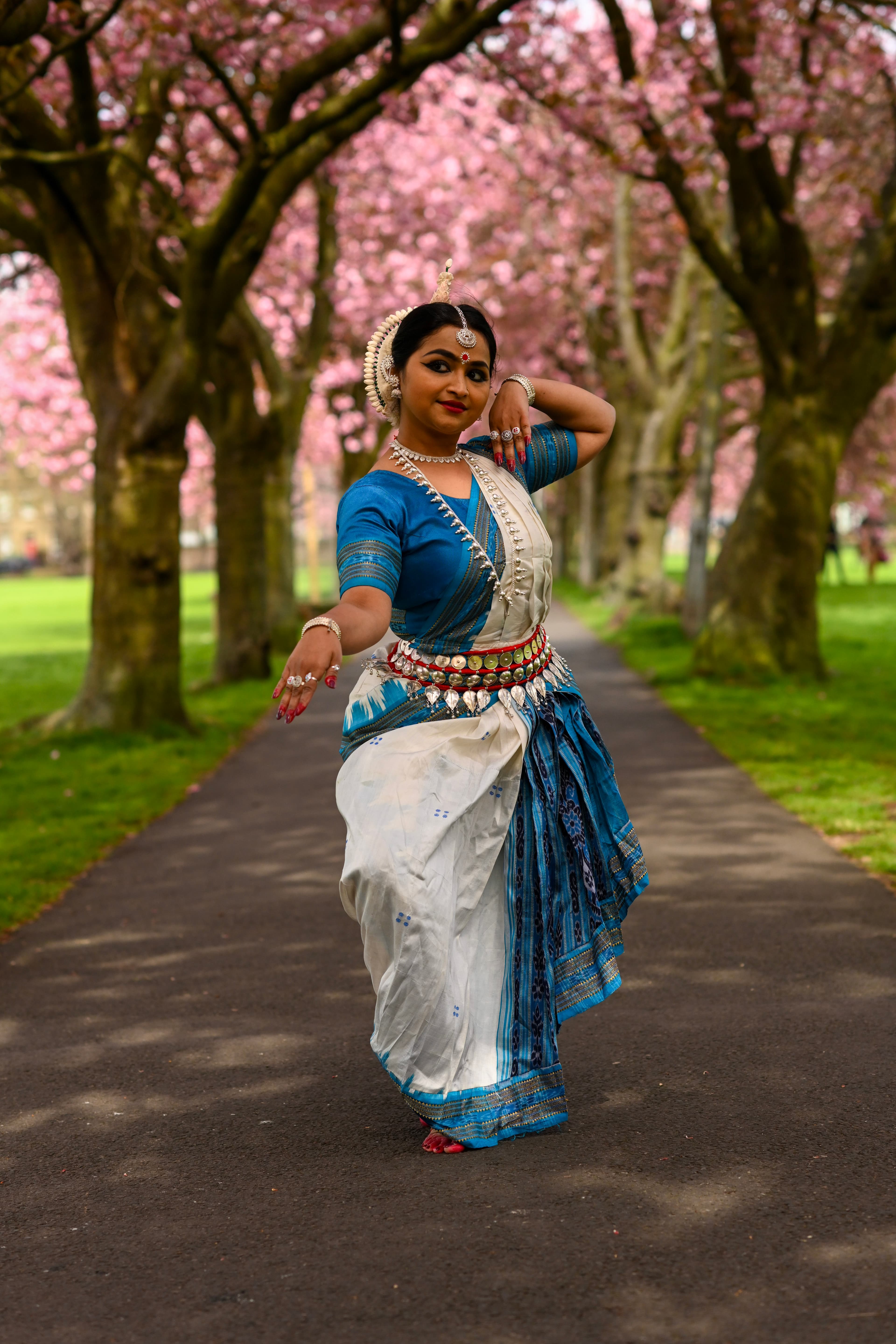
At Malhar Dance Foundation, Shilpa Dhara carries the classical Guru–Shishya tradition to students in Edinburgh, Scotland and beyond — patient corrections, small batches, and foundations that hold.
Her teaching creates a space where technical rigour and spiritual depth are inseparable — where each student learns not just to dance, but to embody the art.
About Malhar
“Odissi is not merely a dance — it is a conversation between the body, the divine, and the audience.”
Malhar Dance Foundation carries the Guru–Shishya parampara forward in Edinburgh, Scotland — patient corrections, small batches, and classical foundations that hold. From first mudra to full repertoire, tradition here is practiced as living art.
23+
Years Teaching
200+
Students Trained
3
Gharana Styles
मंगलाचरण
The sacred invocation — an offering to the divine that consecrates the stage and the dancer's body as a temple.
बट्टू नृत्य
Vigorous rhythmic sequences honouring Shiva's tandava — power, precision, and devotional fervour united.
पल्लवी
Pure movement poetry — a flowering of the body through intricate footwork, lyrical torso, and expressive eyes.
अभिनय
The art of expression — where mythology lives in the dancer's face, hands, and gaze, narrating divine stories.
मोक्ष
The culminating act of liberation — stillness emerging from movement, the dancer dissolving into the infinite.
Student Voices
“Learning Odissi here feels unhurried and deep. Every correction is careful, and the foundations finally make sense in my body.”
Anchal Panda
Student
“I came as an adult beginner with no prior training. The small batch and patient teaching helped me find presence, not pressure.”
Meera Krishnan
Student
“The Guru–Shishya approach is real here. Abhinaya, mudra, and rhythm are taught with clarity — and respect for the form.”
Priya Sharma
Student
“From first stance to stage pieces, the path is structured but never rushed. I feel stronger and more expressive every month.”
Sneha Patel
Student
“Online and in-person sessions both feel attentive. Corrections land, practice sticks, and the community is warm.”
Riya Das
Student
From the Stage
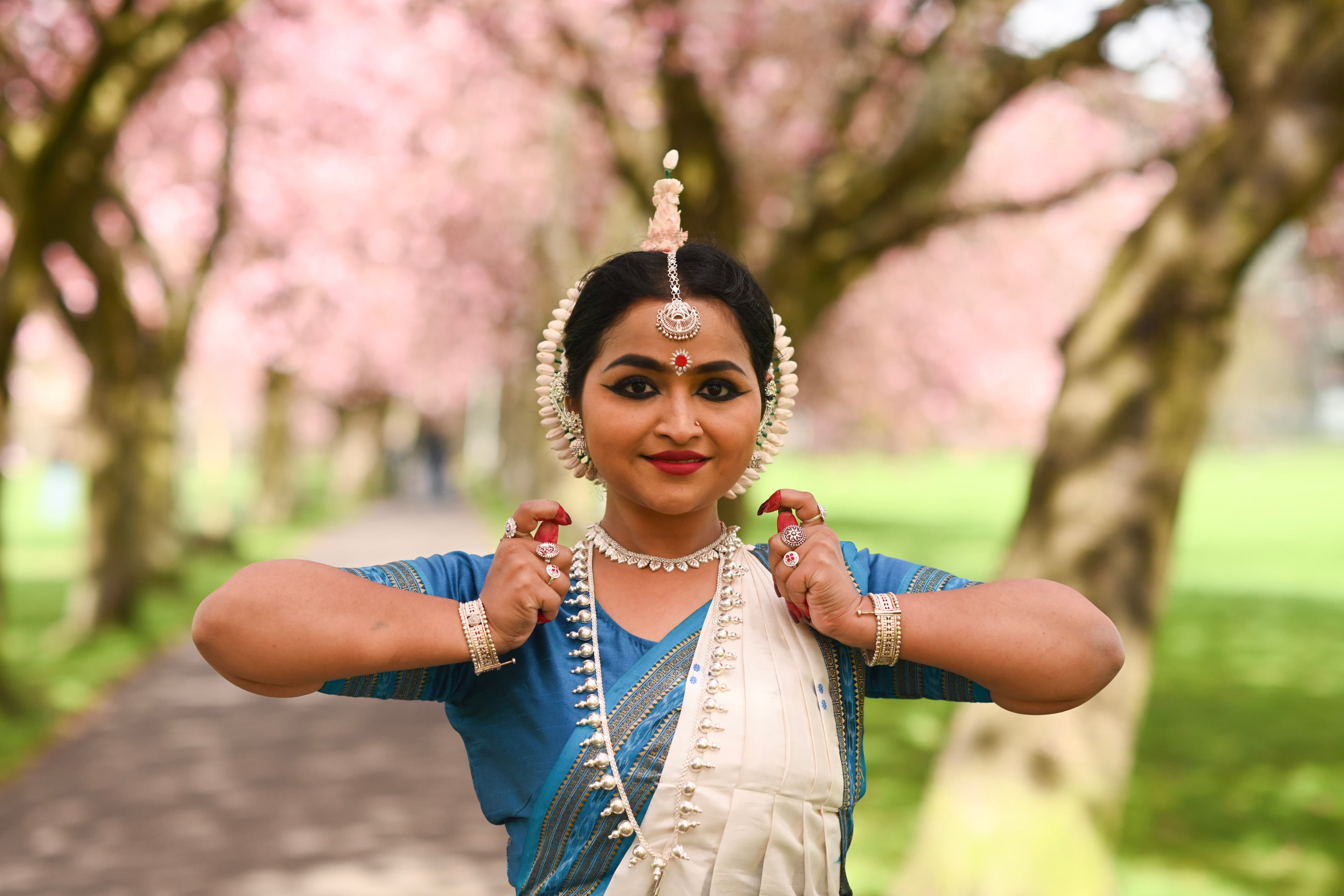
Ashtapadi — Sakhi He|Odissi|Studio repertoire|Edinburgh
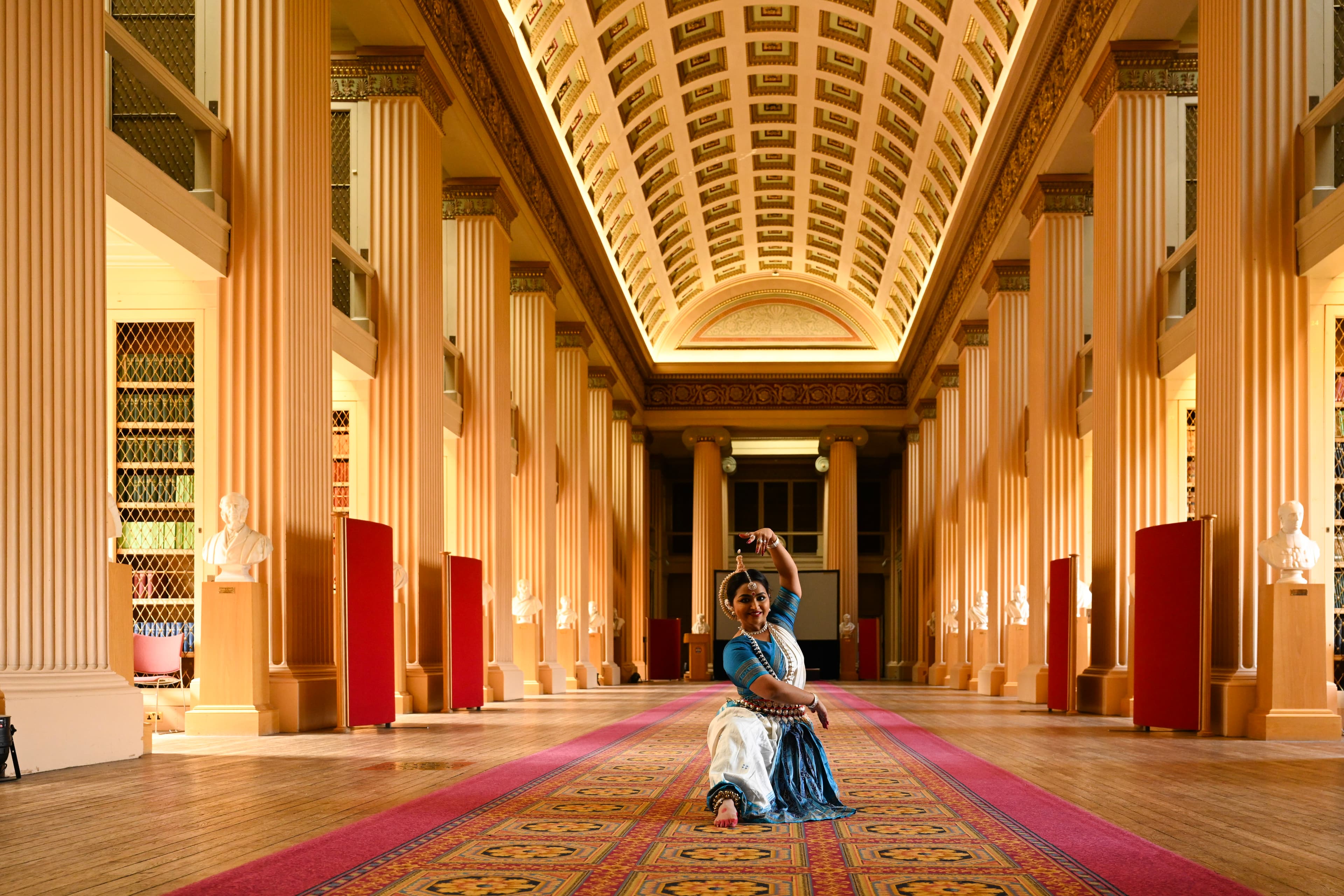
Mangalacharan|Odissi|Traditional|Studio
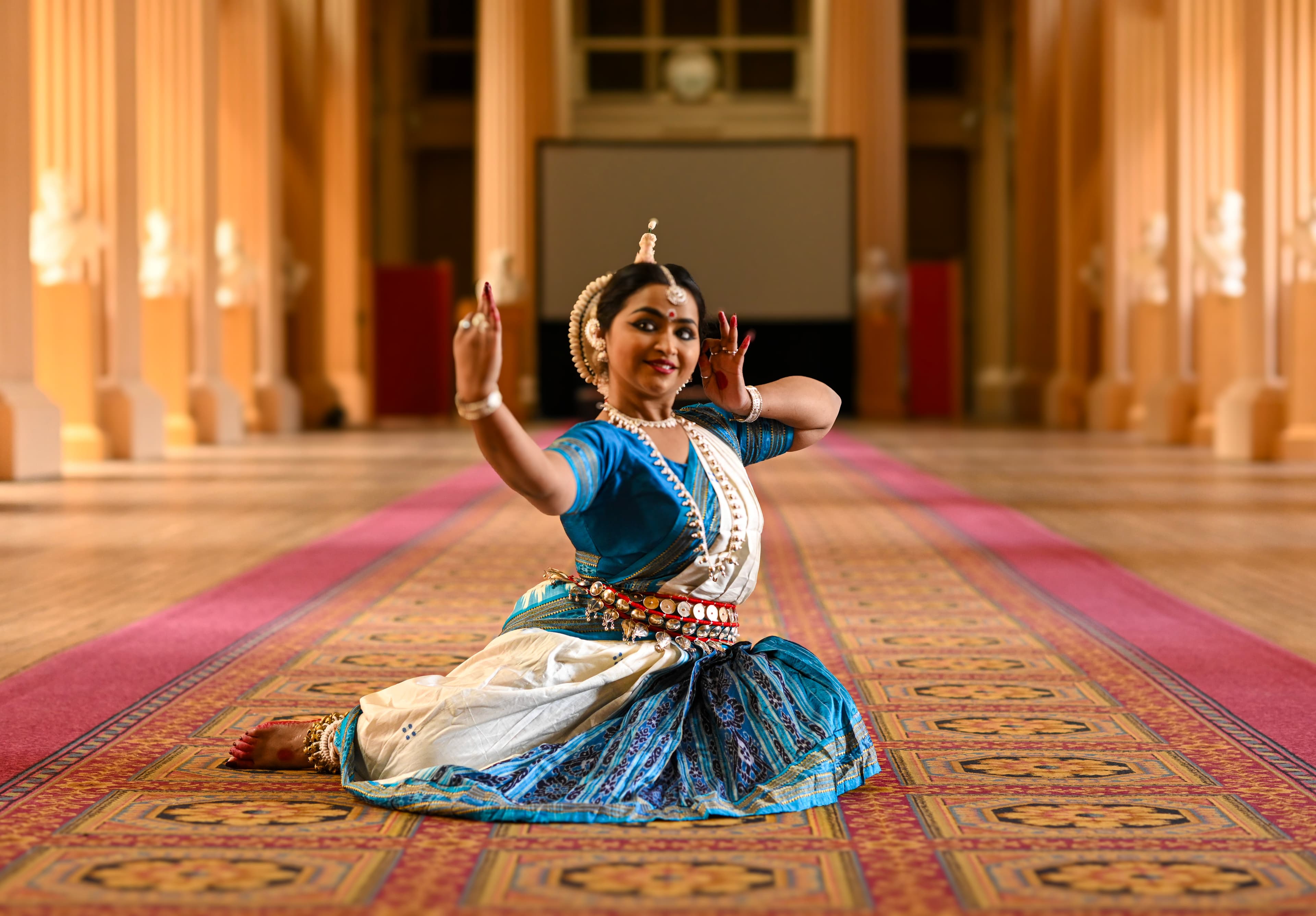
Pallavi in Raga Bhairavi|Odissi|Malhar ensemble|Stage
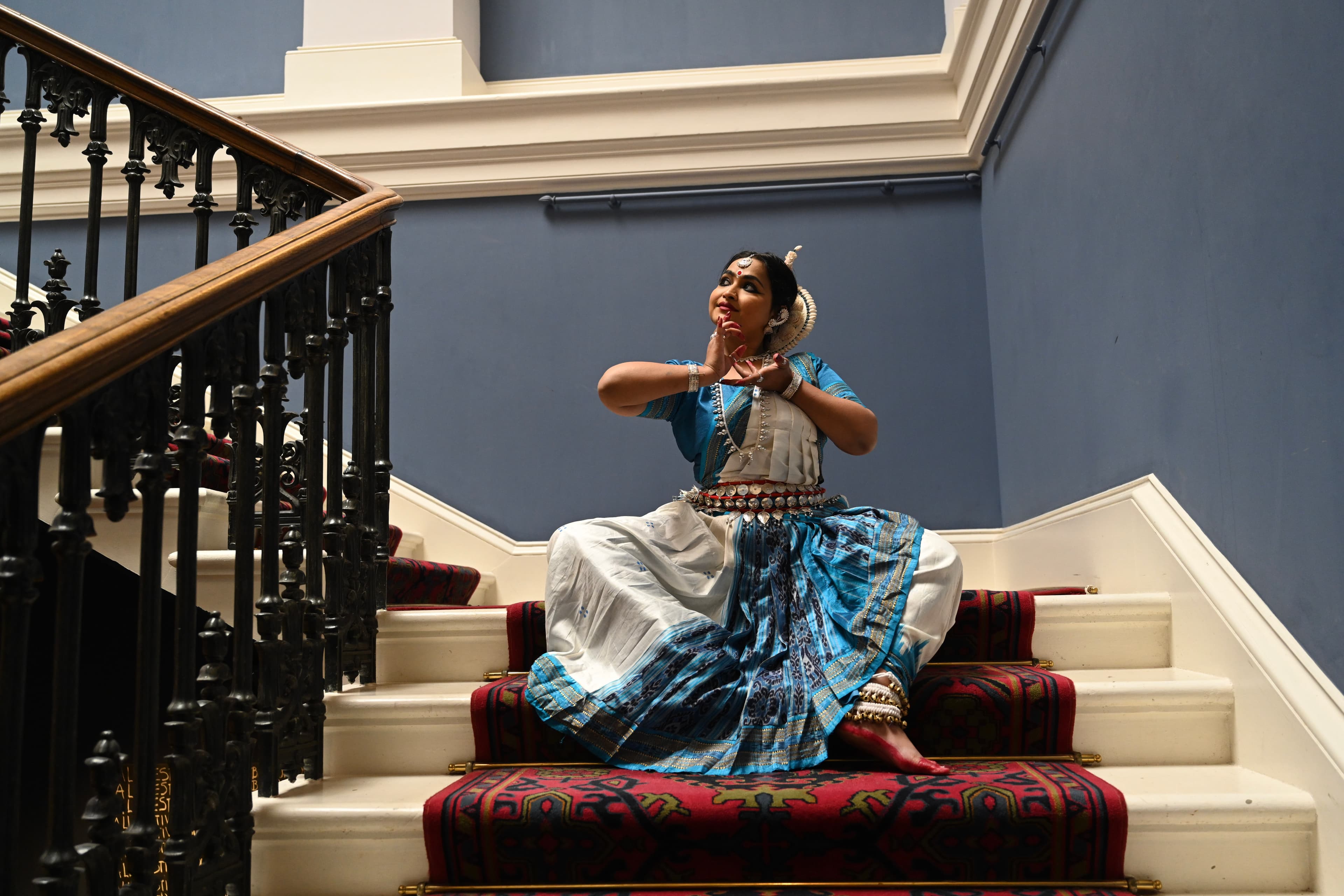
Moksha|Odissi|Student showcase|Performance
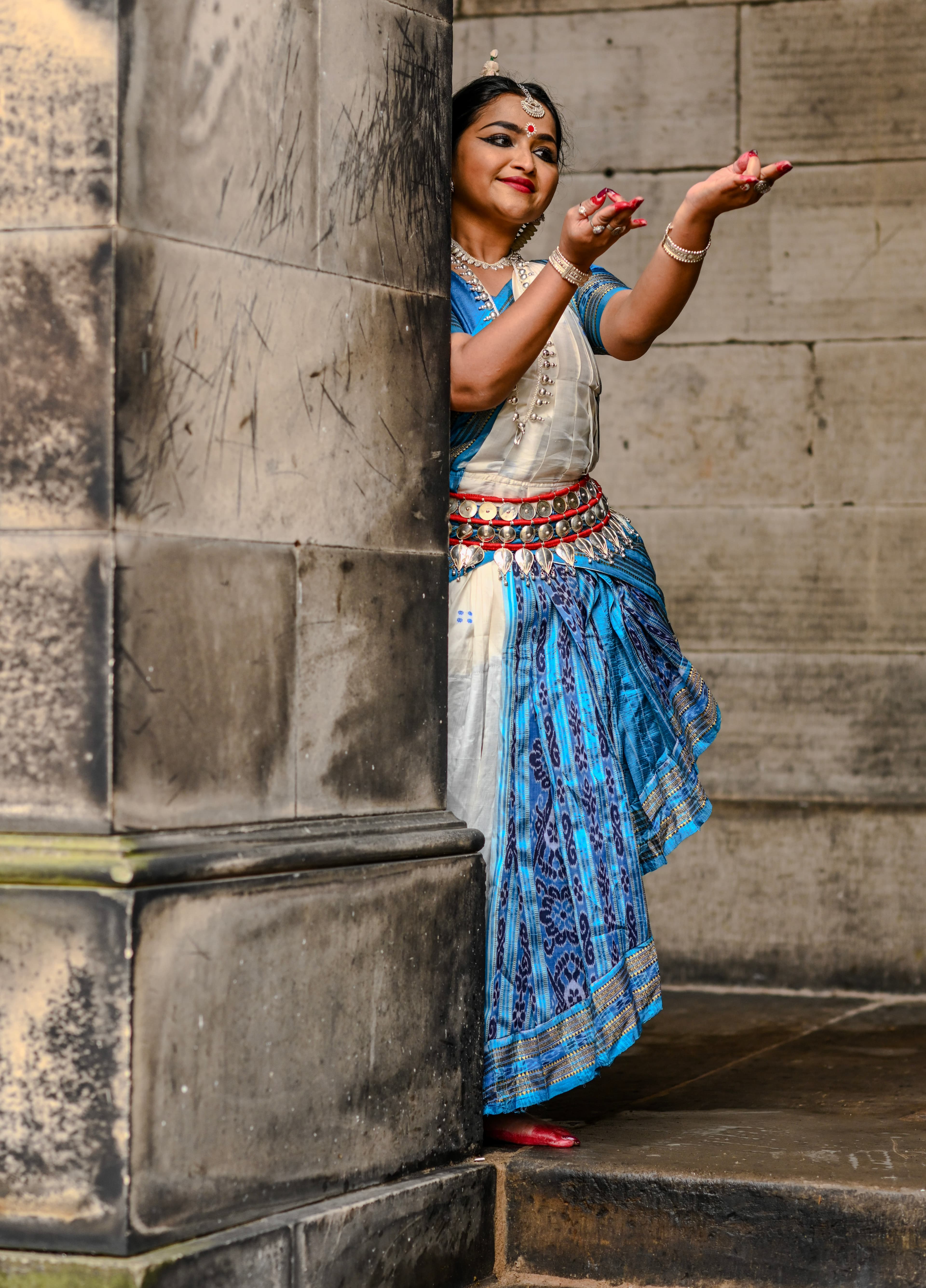
Abhinaya Piece|Odissi|Guru–Shishya line|Malhar Studio
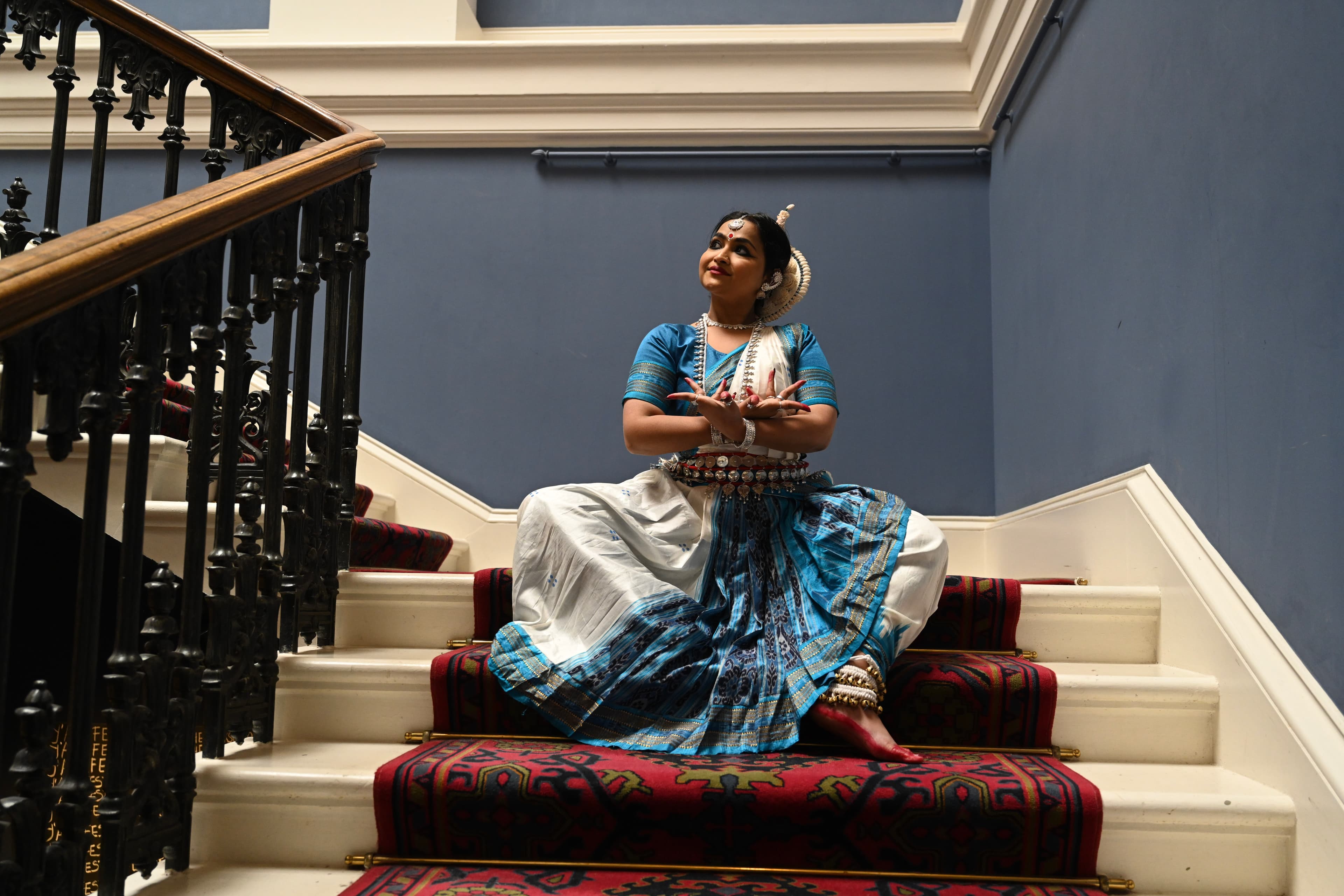
Battu Nrutya|Odissi|Rhythmic sequence|Studio
Upcoming
Malhar Studio · Edinburgh
Edinburgh Arts Venue
Malhar Studio · Edinburgh
Malhar Studio · Edinburgh
Eisemann Center · Richardson, TX
Malhar Studio · Edinburgh
From the Studio
.jpg&w=3840&q=75)
How patient corrections, small batches, and lived lineage shape every class at Malhar — beyond the phrase on a brochure.
Read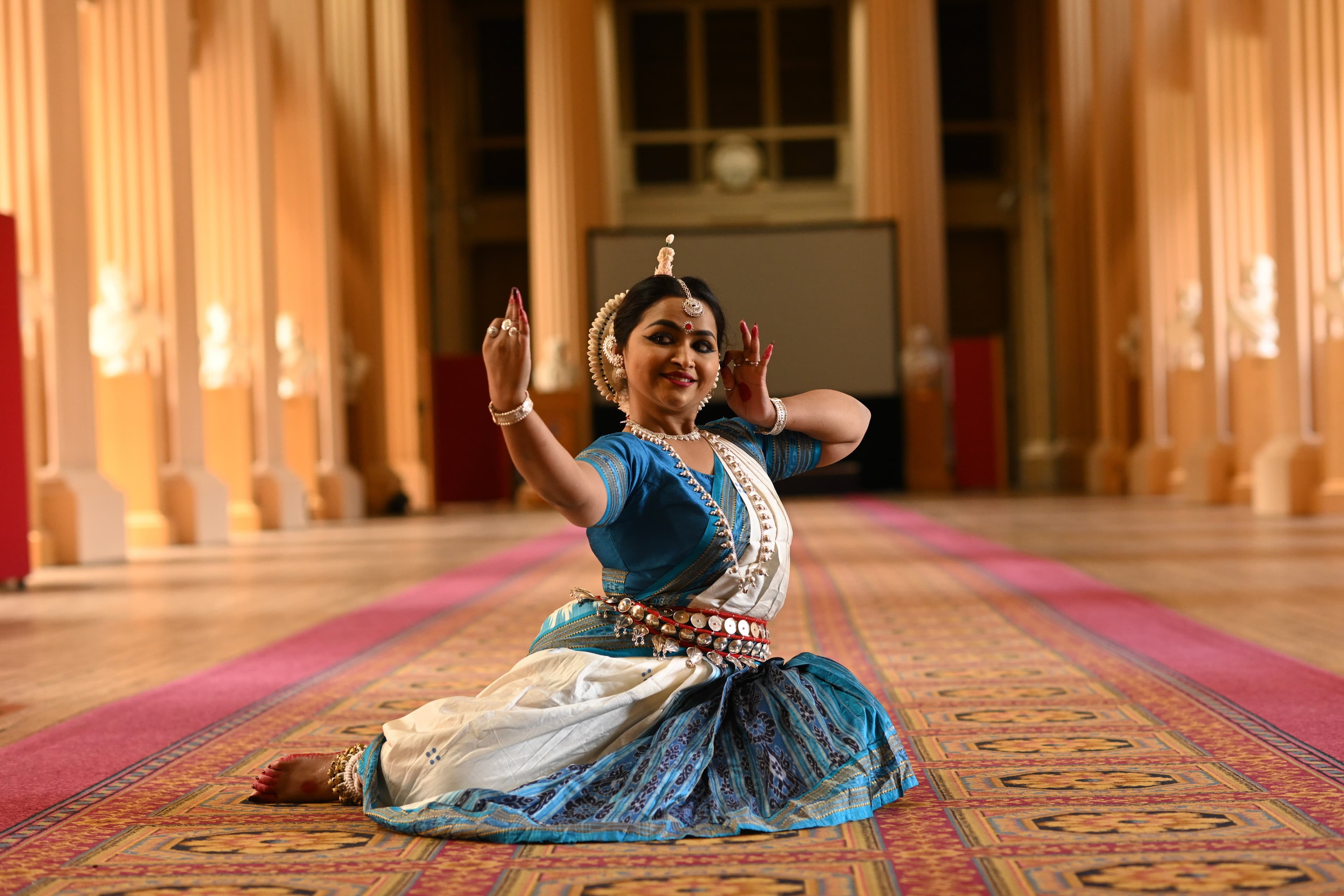
Why the opening invocation consecrates stage and body alike — and how beginners begin to feel its quiet power.
Read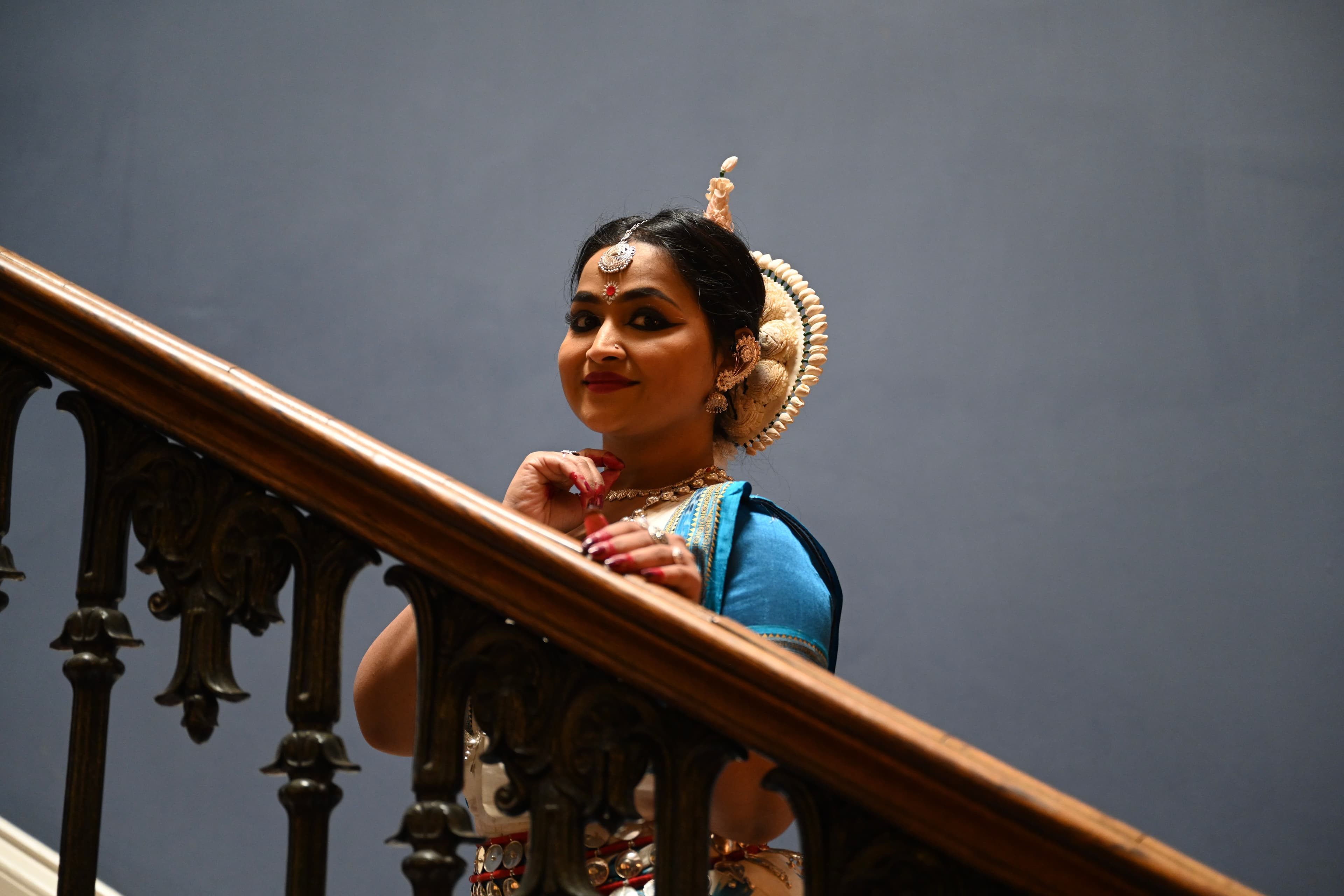
Foundations over speed: posture, rhythm, and presence for students who arrive later — and stay longer.
ReadFAQ
Everything you need to know about Odissi dance, our classes, and getting started at Malhar.
Odissi is one of India’s classical dance forms, rooted in the temples of Odisha. It is known for the tribhanga posture, lyrical torso movement, and a deep conversation between mudra, rhythm, and abhinaya — expression that tells story through the body.
Yes. Adults are welcome at every stage — beginners through experienced dancers returning to practice. Classes meet you where you are, with patient corrections and a pace that builds lasting foundations.
Online sessions can support technique, repertoire review, and continuity when you cannot be in studio. For beginners, in-person training is ideal so alignment and footwork can be corrected closely — many students combine both.
Both are classical forms with shared roots in Natya Shastra, but they feel distinct. Odissi emphasizes fluid torso curves and the sculptural tribhanga; Bharatanatyam is often more linear and grounded in a strong, geometric aramandi vocabulary.
Children often begin around 6–8 when focus and coordination are ready for structured class. Adults can start at any age. What matters most is consistency and a teacher who builds foundations carefully.
Get in Touch
Location
Edinburgh, Scotland
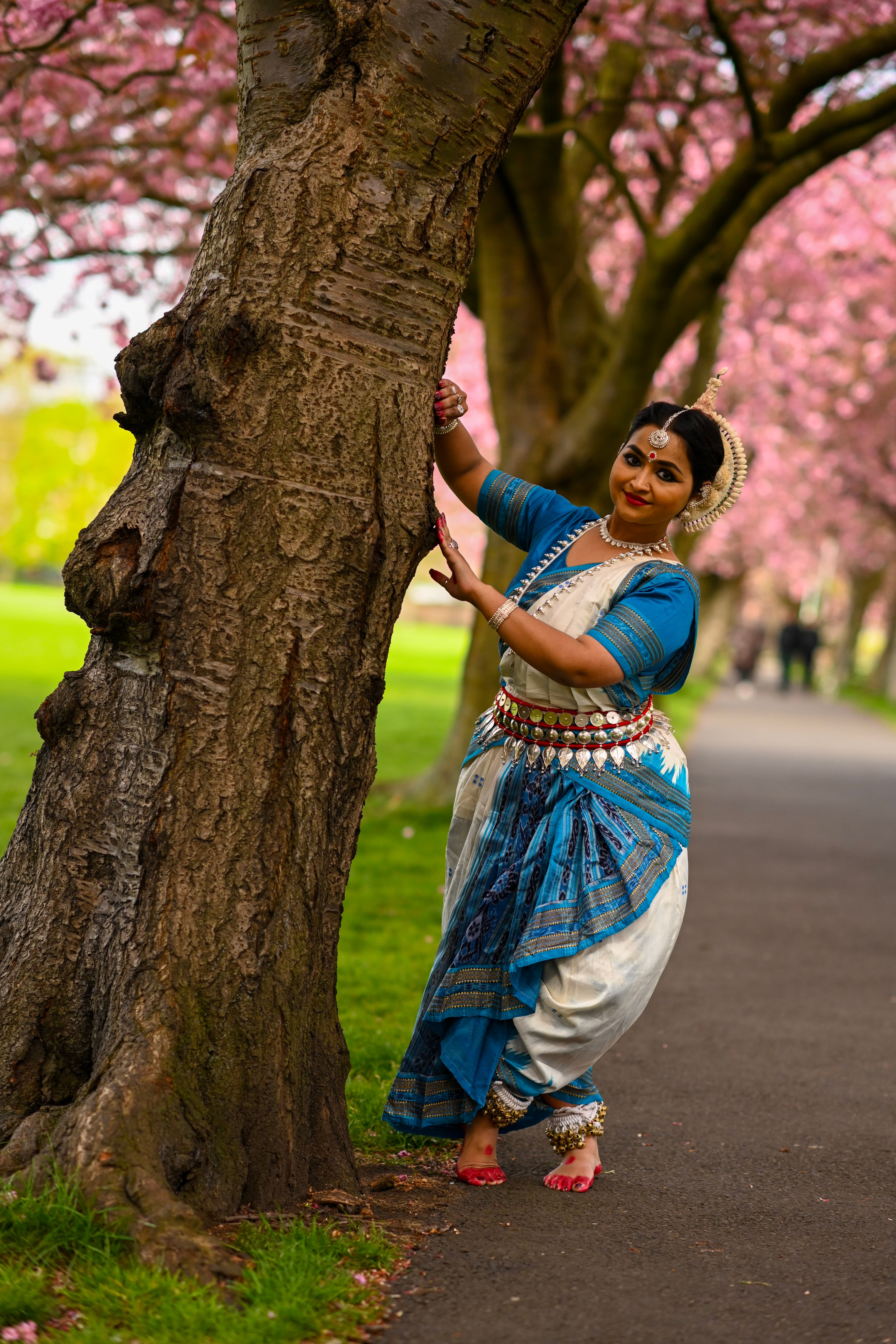
Classical Odissi dance training in the Guru–Shishya tradition — small batches, patient corrections, and foundations that hold.